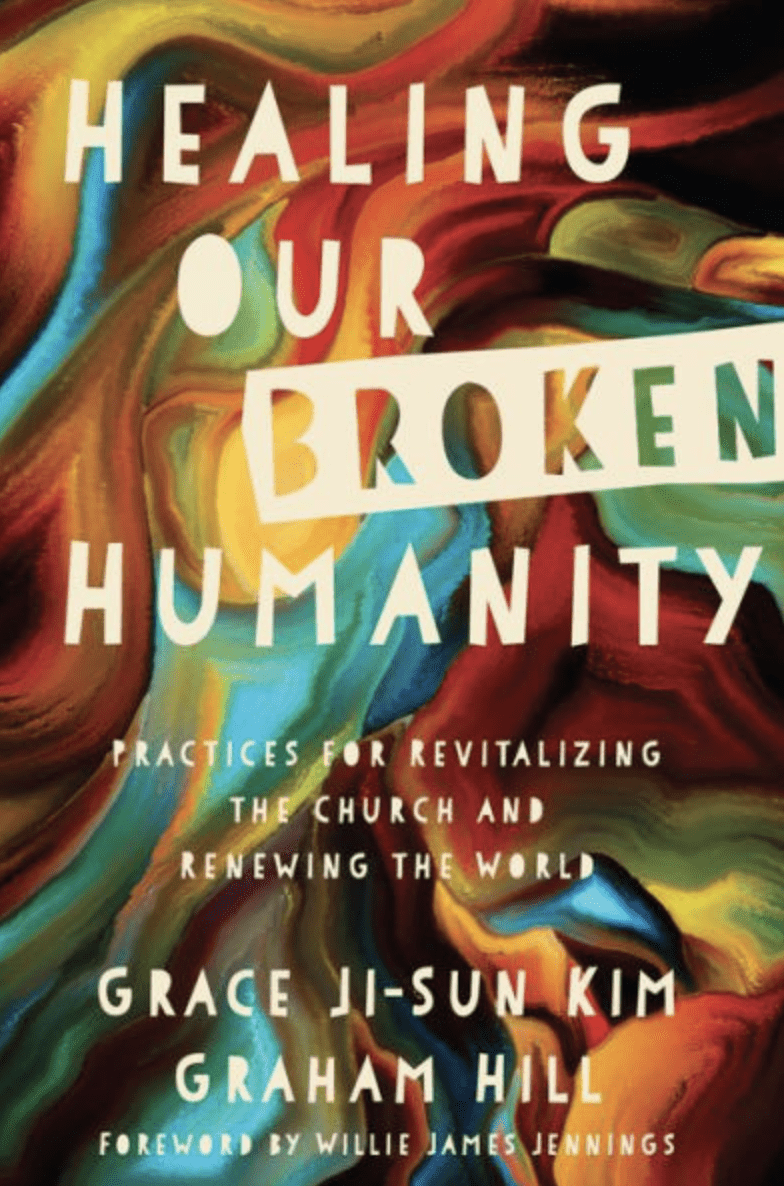
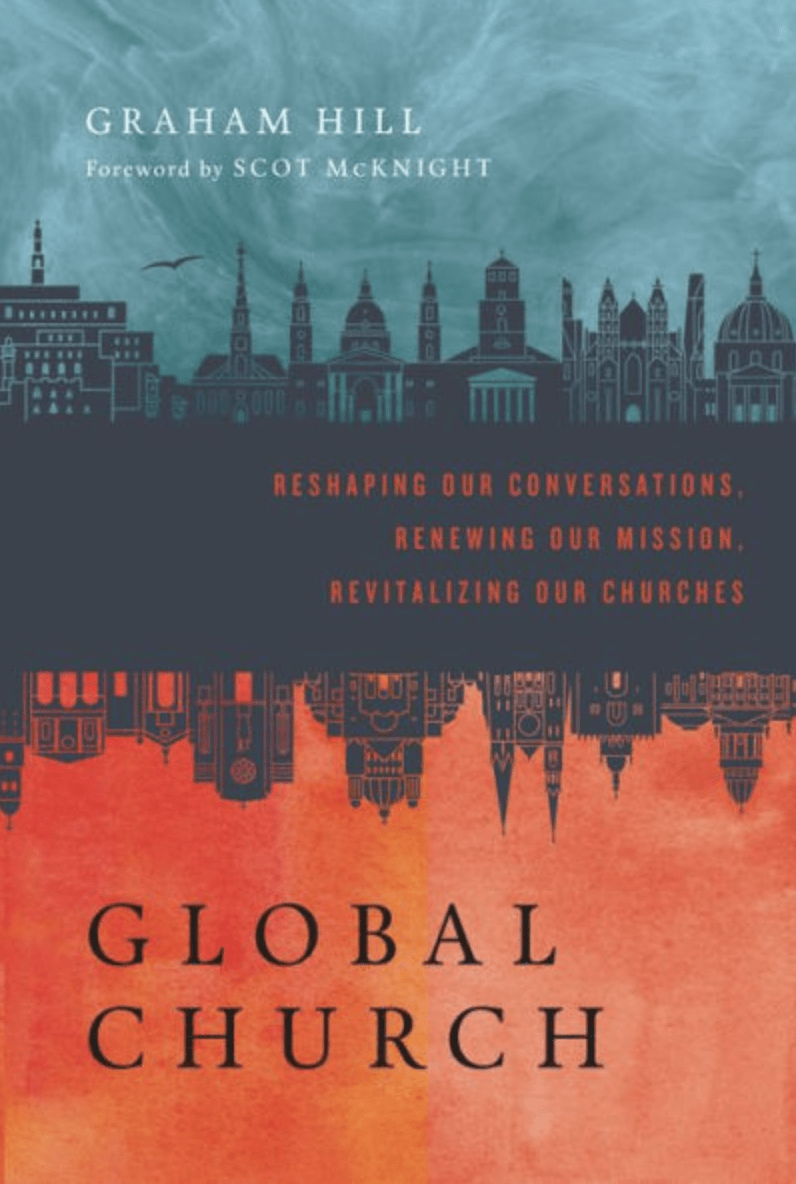
Before anyone called them Christians, they were called something stranger and more beautiful. People of the Way.
You can find it in the book of Acts, tucked into the story almost as an aside. When Saul set out for Damascus breathing threats, he was hunting for anyone who belonged to “the Way.” That was the movement’s first name for itself. A road you walked. In the ancient world, a philosophy was a way of life you practiced with your body, in a community, day after day, and the first followers of Jesus understood the gospel exactly like that. Following Jesus meant learning to live as he lived, love as he loved, forgive as he forgave, share as he shared. The watching Roman world found it astonishing. Here was a community that welcomed slaves and citizens at the same table, nursed the sick when the plagues came, and everyone else fled, took in the babies the city had abandoned, and refused to hate its enemies. People looked at that and wanted in.
I met that Way as a skeptical teenager who wanted nothing to do with Christians. The believers I’d known up close often seemed harsh and sure of everything and short on the love they kept talking about, so I made up my mind to walk away. Then one day I picked up the Gospels and read them straight through, and I met the person underneath the religion I’d rejected. The way he spoke. The way he touched the people nobody else would touch. The way he knelt down and washed feet, forgave the men who were killing him, blessed the poor, and turned the whole world’s idea of a good life upside down. I couldn’t shake it. Forty years later, I’m still walking it.
What I want to do here is trace the heart of that Way, name the ten movements that make it up, and hand you one step you can take this week.
The Age of the Sovereign Self
We’re trying to walk this Way inside a culture with very firm ideas about what a good life is.
The message reaches us everywhere. You are the project of your life. Build your brand, grow your platform, climb the ladder, look after number one, and happiness will follow. Success is measured by money, influence, followers, and control over your own outcomes. Sociologists have a name for the deepest version of this. They call it expressive individualism, the belief that the point of a human life is to look inward, find your authentic self, and express it, with as little interference from anyone else as possible. The sovereign, self-made, self-expressing individual is the hero of the age.
Yet a great many of us are exhausted inside it. We curate ourselves online, count the likes, compare our insides to everyone else’s highlight reel, and wonder why we feel so tired and so unsure of who we are. A whole generation has been handed the job of inventing and defending a self, alone, with the internet watching. By many measures, we’re the most anxious, most medicated, loneliest generation in modern history, and we’re living in the most comfortable societies there have ever been. It turns out the sovereign self is a lonely monarch, ruling a very small kingdom. Into that exhaustion, Jesus says something startling: come to me, all you who are weary, and I’ll give you rest. You can put the performance down.
The Road That Has a Name
So what is the Way? Start with the word itself. When the first believers called themselves the people of the Way, the Greek word was hodos. A road. A path. A journey you’re actually on. And it’s the very word Jesus used about himself: I am the way, and the truth, and the life. He didn’t say, “I’ll give you a map, hand you the rules, and point you down the road.” He said, “I am the road.” To follow the Jesus Way is to walk in the footsteps of a person, staying close enough for his life to start to rub off on yours.
You see that life laid out most fully in the Sermon on the Mount, the charter of the whole Way. Jesus climbs a hillside and begins to describe the flourishing life, and the word translated as “blessed” is makarios, which means something like “truly well,” the way a human being is meant to be. Then he names who’s flourishing. The poor in spirit. Those who mourn. The meek. The ones who hunger for justice. The merciful. The peacemakers. He takes the world’s scoreboard, with its winners and its wealth and its strength, and turns it clean over.
And he presses it all the way to the center. If anyone wants to follow me, he said, let them deny themselves, take up their cross, and come with me. Whoever tries to save their life will lose it, and whoever loses their life for my sake will find it. The word there for life is psyche, the very self. This is the great reversal underneath everything. The self, curved inward, clutching, grasping, and defending, slowly dies of its own grip. The life poured out in love is the life that comes alive. Jesus holds open the one door out of the prison of the self, a door marked self-giving love. Walk through it, and you find the self you were always made to be.
If you’d like to sit with this further, I go much deeper into it on The Graham Joseph Hill Podcast, available wherever you get your podcasts.
The Engine of the Whole Thing
Anyone who’s tried to live like this knows how fast good intentions collapse. So how is it possible? The New Testament points to two things, and together they change everything.
The first is the pattern. Paul tells the Philippians to have the same mind that was in Christ Jesus, who, though he was in very nature God, held his glory with open hands, emptied himself, took the form of a servant, and humbled himself all the way down to death on a cross. The word for that self-emptying is kenosis. Christ poured himself out, moving willingly from the highest place to the lowest, from glory to a manger, to a towel and a basin, to a cross. Every one of the ten movements is a small share in that one great movement of the God who comes down. It’s all the same shape, the shape of a cross, which turns out to be the shape of love.
The second is the secret of how it grows in us, and it marks the difference between the Jesus Way and every self-improvement scheme ever sold. We can’t manufacture this by willpower. On the last night, Jesus gave his friends the picture that holds it together. I am the vine, he said, you are the branches. Remain in me, and I will remain in you, because apart from me you can do nothing. The word for remain is menō, to abide, to stay, to make your home in him. A branch bears fruit by staying joined to the vine, letting the life of the vine flow up into it. That’s the whole secret. We abide, and the Way grows in us like fruit on a branch. The ten movements are ten kinds of fruit that grow, almost without our noticing, on a life that stays close to Jesus.
Which means the pressure is off. Dietrich Bonhoeffer once drew the line between cheap grace, the sort we award ourselves, forgiveness without repentance, and faith without following, and costly grace, which calls us to leave our nets and come, and gives us the only life worth having. The costly grace of the Jesus Way is free, and it will cost you everything, and its yoke turns out to be lighter than the yoke of the self-interested life you were already carrying.
Ten Movements
Here’s the Way, mapped as ten shifts that carry us out of the culture of self and into the life of Christ. From material success to spiritual riches. From competition to compassion. From power to servanthood. From retribution to forgiveness. From indifference to justice. From conflict to peacemaking. From legalism to grace. From exclusion to embrace. From expressive individualism to community. And from frenetic hurry to a slower, deeper discipleship.
These are ten roads to walk, each with a practice attached. From material success to spiritual riches begins with open hands: giving money away before you feel you can afford to, asking how much is enough, and living there on purpose. From power to servanthood looks like finding the job nobody wants and simply doing it, the way the King of the universe wrapped a towel around his waist and washed his friends’ feet, including the feet of the man about to betray him. From retribution to forgiveness means naming one person you’ve been rehearsing a grievance against, and beginning, even haltingly, to pray for them. From indifference to justice can start with a single refusal to keep stepping around the person in need, learning one name. From frenetic hurry to slow discipleship comes down to the oldest practice of all: keep a Sabbath, take one day in seven and truly stop, and remember that the world holds together without you, because God is holding it.
Every one of these is really the same lesson in a different key. It’s learning to be the Samaritan who crosses the road everyone else avoids, instead of one of the busy, respectable people who hurried past.
One Step, Together
Ten movements can feel like a lot, so here’s the one thing to actually do. Don’t try to walk all ten. Pick one. Read back over that list and notice which one landed on you, the one you flinched at or felt drawn to, and this week, take the single small practice attached to it. Learn one name. Set down one rock. Keep one Sabbath. Forgive one person. That’s how a Way gets walked, one step at a time.
And don’t try to walk it alone. Find one other person, a friend, a small group, a wise older Christian, and tell them which movement you’re working on, and ask them to walk it beside you. The Jesus Way was never a solo hike. It’s a road we walk together, and we get further arm in arm than we ever could on our own.
Here’s what gives me hope. All around me, I see people walking off the treadmill of the sovereign self and onto this road. Young Christians forming little communities to share meals and money and prayer. People rediscovering the old disciplines of silence, Sabbath, simplicity, and hospitality, and finding their souls come back to life. A global church, in places that know real hardship, showing the comfortable West what costly discipleship looks like. And ordinary people I know, a nurse, a teacher, a grandmother, who’ll never write a book or lead a movement, and who forgive and serve and welcome and give, day after unglamorous day, and who are some of the most Christlike people I’ve ever met. The Way was always meant to be walked by people exactly like that. By people like us.
Because in the end, the Jesus Way comes down to a person. He is the Way. And the best news of all is this: he walks the road himself, right beside you, every step.
Here’s the question to carry into your week: of the ten movements, which one is Jesus inviting you to take a single step in, starting now?
I’d love to hear which one you chose. Share it in the comments, and pass this along to someone who’s tired of the treadmill and ready for a different road.
And if you’d like to walk through all ten movements slowly, with the stories, the Scripture, and the practice behind each one, I go much further in the latest episode of The Graham Joseph Hill Podcast. You’ll find the full conversation there, wherever you get your podcasts.
____________________________________________________________
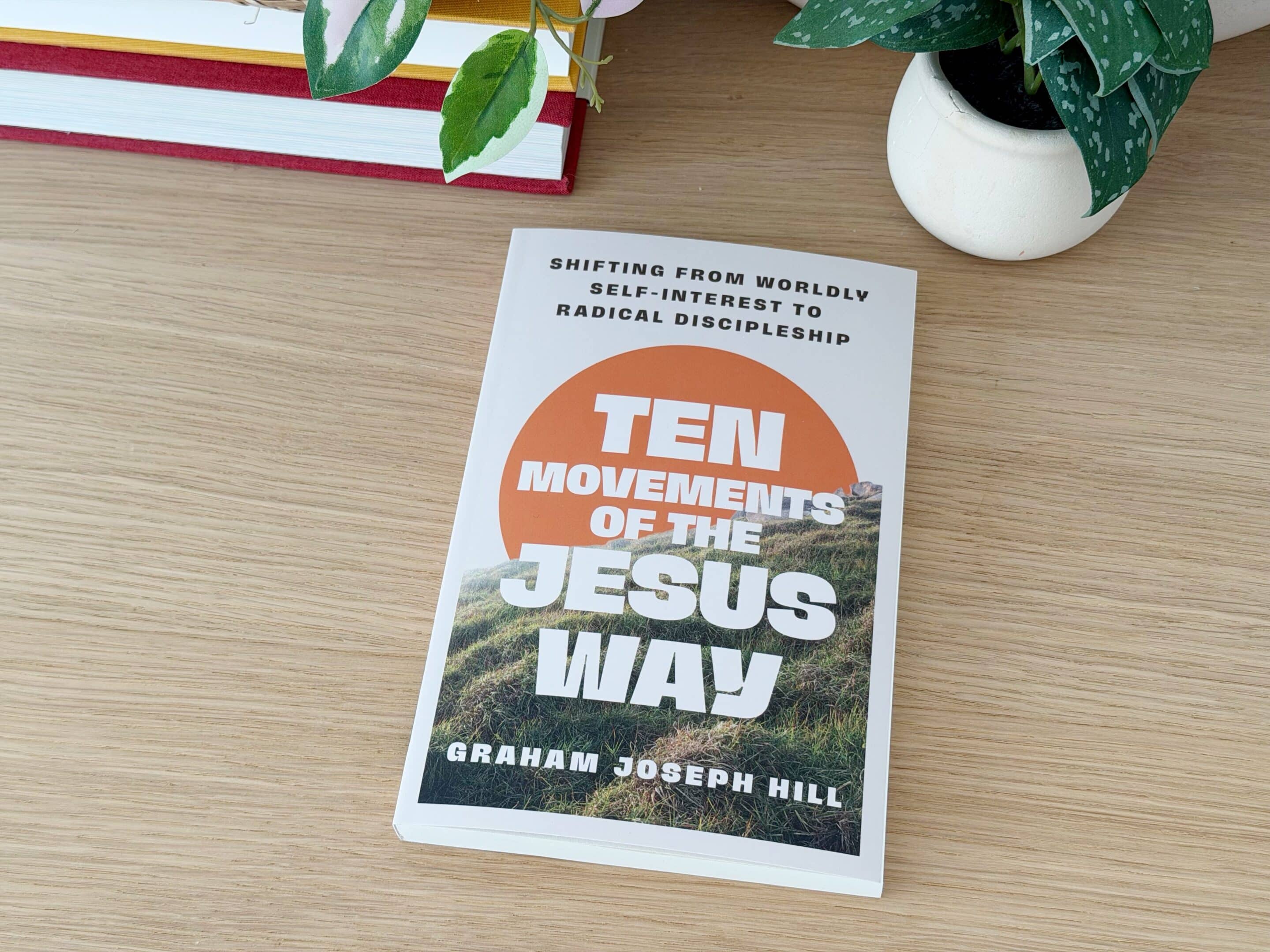
A new book for the journey: releasing July 28If something here has stirred you toward the way of Jesus, you might find a companion in my new book, Ten Movements of the Jesus Way: Shifting from Worldly Self-Interest to Radical Discipleship, releasing with IVP on July 28, 2026. We’re living in a fractured moment, pulled apart by political polarization, performative religion, consumerism, nationalism, and widening inequality. The book offers an alternative: the slow, countercultural, life-giving path of Jesus. Across ten movements, from material success to spiritual riches, from power to servanthood, from exclusion to embrace, it traces a discipleship shaped by humility, justice, generosity, and love. Rooted in Scripture and drawing on the wisdom of African, Asian, Indigenous, and Latin American Christian traditions, it’s a prophetic invitation back to the radical road Jesus walked, and a hopeful vision for a church longing to reflect Christ again. Every chapter closes with questions for reflection, making it a companion for personal devotion, book clubs, and small groups. Preorder your copy now at IVP, Amazon, Barnes & Noble, or Bookshop.org. Also available as an audiobook.
|
____________________________________________________________
Keep walking the Jesus Way: the podcastIf you’d like to go deeper, join me on The Graham Joseph Hill Podcast, where I explore the questions that matter most for Christians today through conversations about faith, justice, spirituality, theology, culture, and the global church. New episodes drop weekly. Listen and subscribe at – https://ghill8.podbean.com
|