On 6 January 2021, the world watched as a mob stormed the United States Capitol. Among the flags and the fury, crosses were raised. “Jesus Saves” banners fluttered beside nationalist slogans. A makeshift gallows stood near a man carrying a Bible. For many Christians watching around the world, something broke open that day: the grim recognition that the cross of Christ had been captured and pressed into service for a political cause it was never meant to serve.
That moment wasn’t isolated or confined to the United States. I’ve watched the same fusion of faith and flag take root in Australia, Russia, Hungary, Poland, India, and Brazil. Political leaders invoke Christian values to rally support. Religious symbols get draped over partisan agendas. And the gospel of Jesus Christ, which calls every nation into judgment and every heart into repentance, gets quietly domesticated into a tool for earthly power.
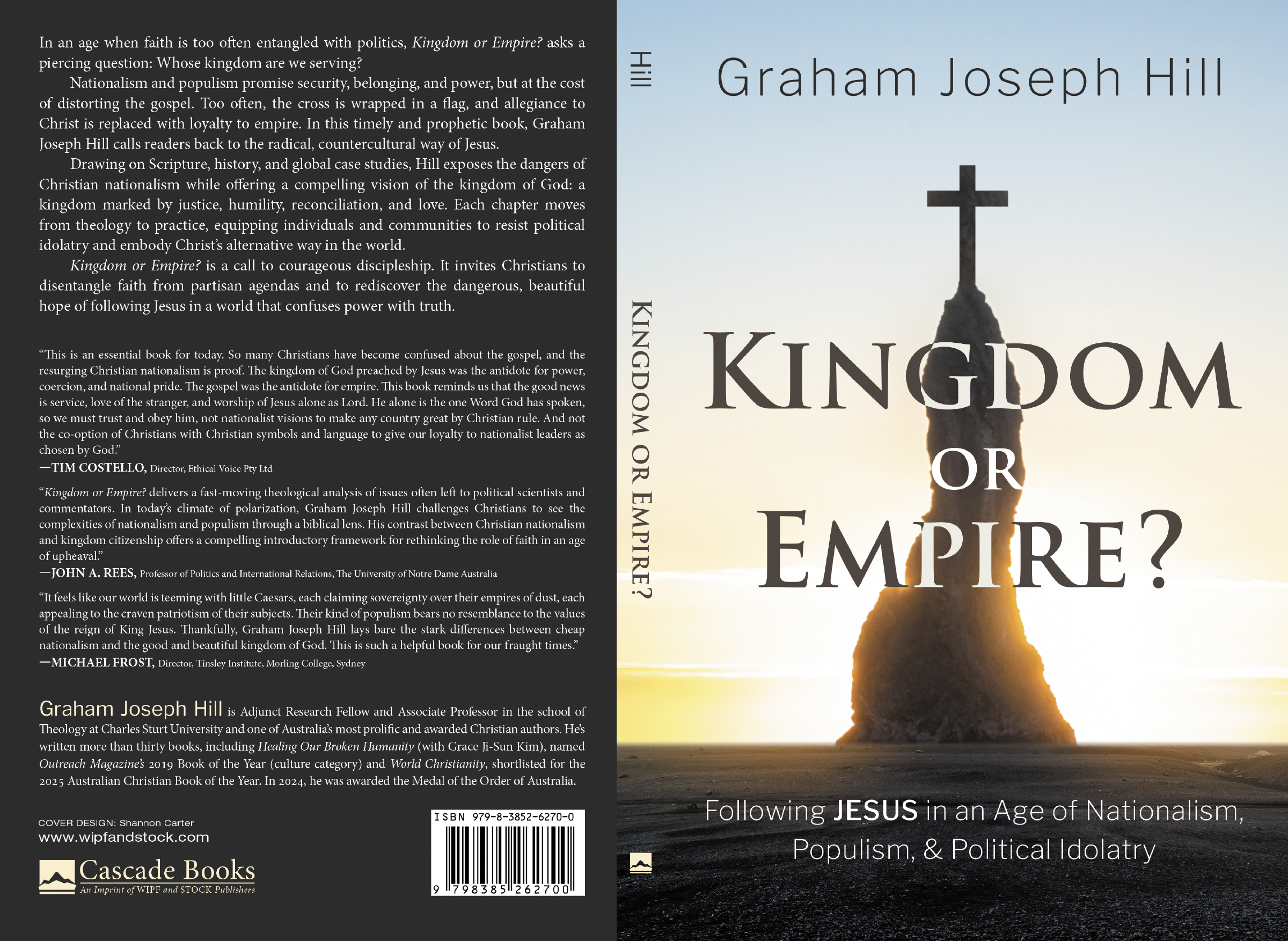
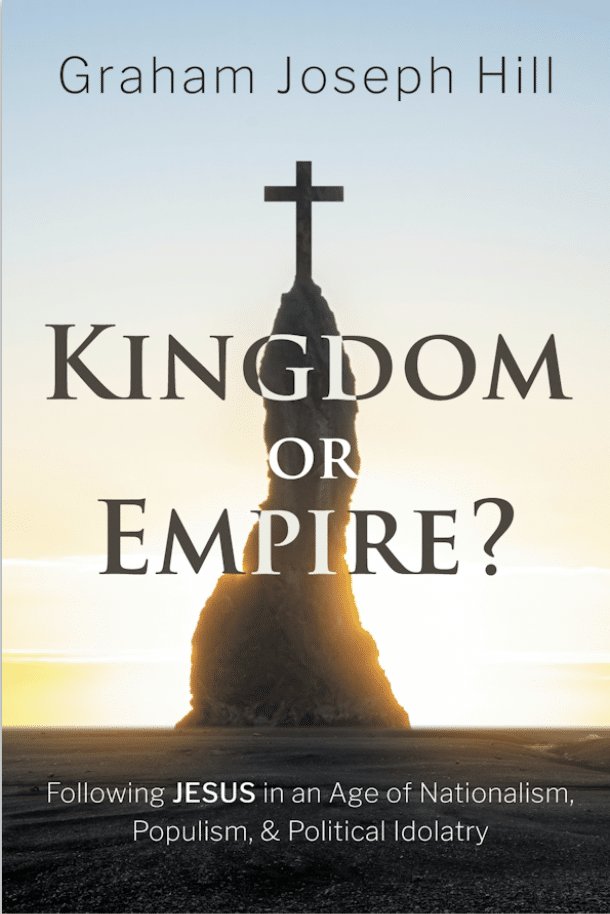
That crisis is at the heart of my new book, Kingdom or Empire? Following Jesus in an Age of Nationalism, Populism, and Political Idolatry. I wrote it because the church in our time faces a stark choice, and too many of us are sleepwalking through it.
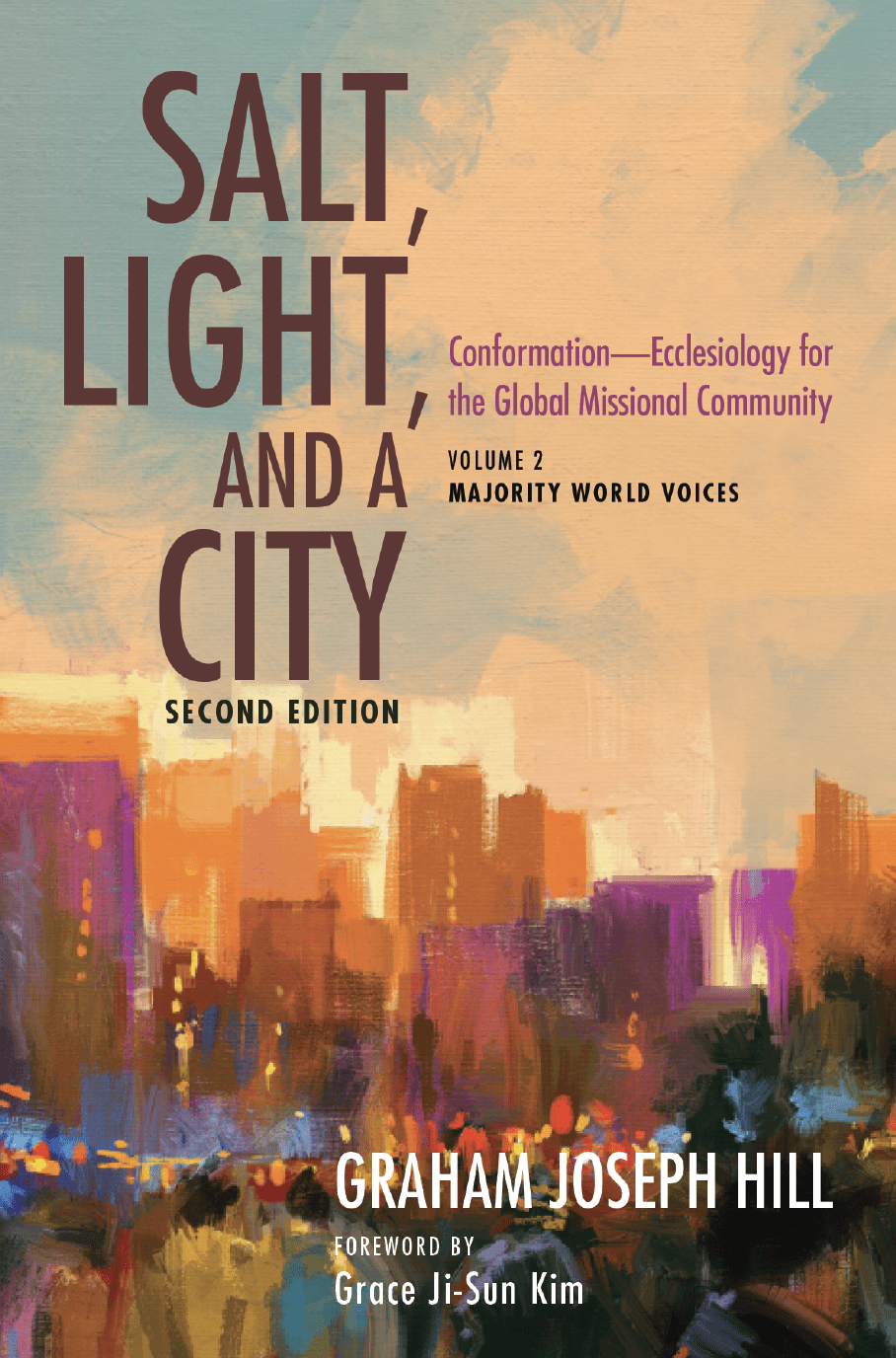
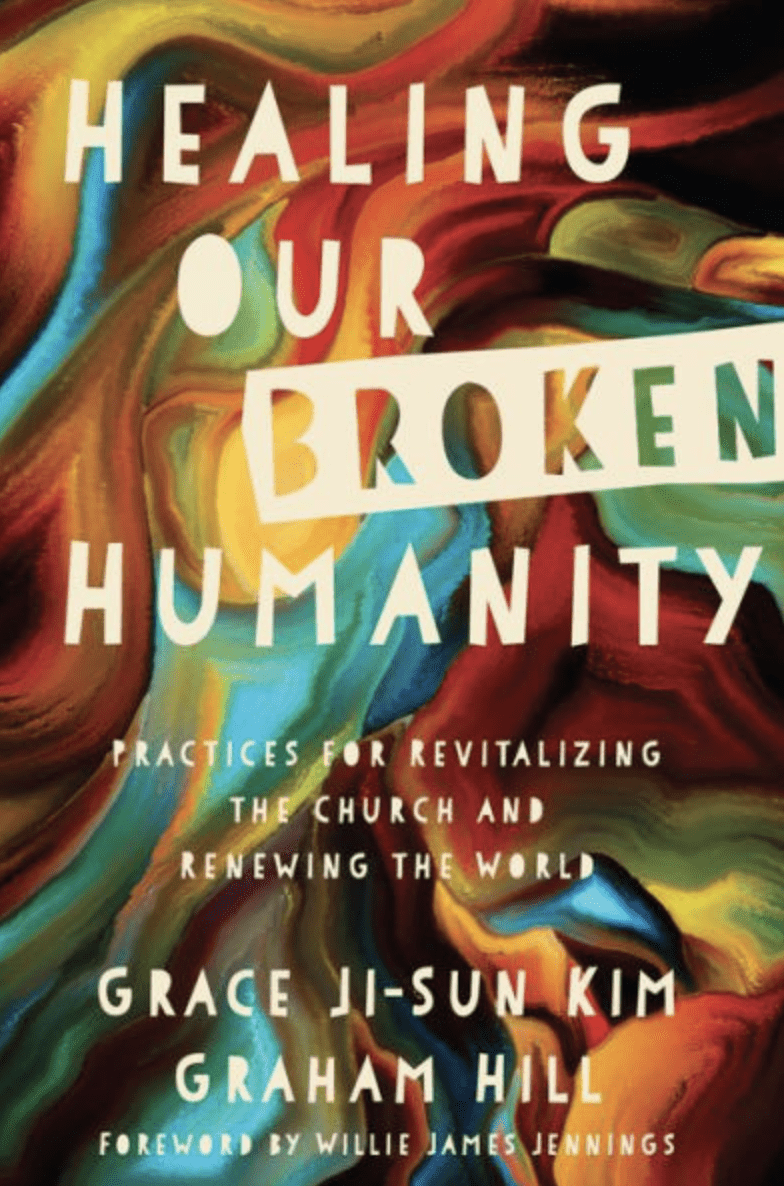
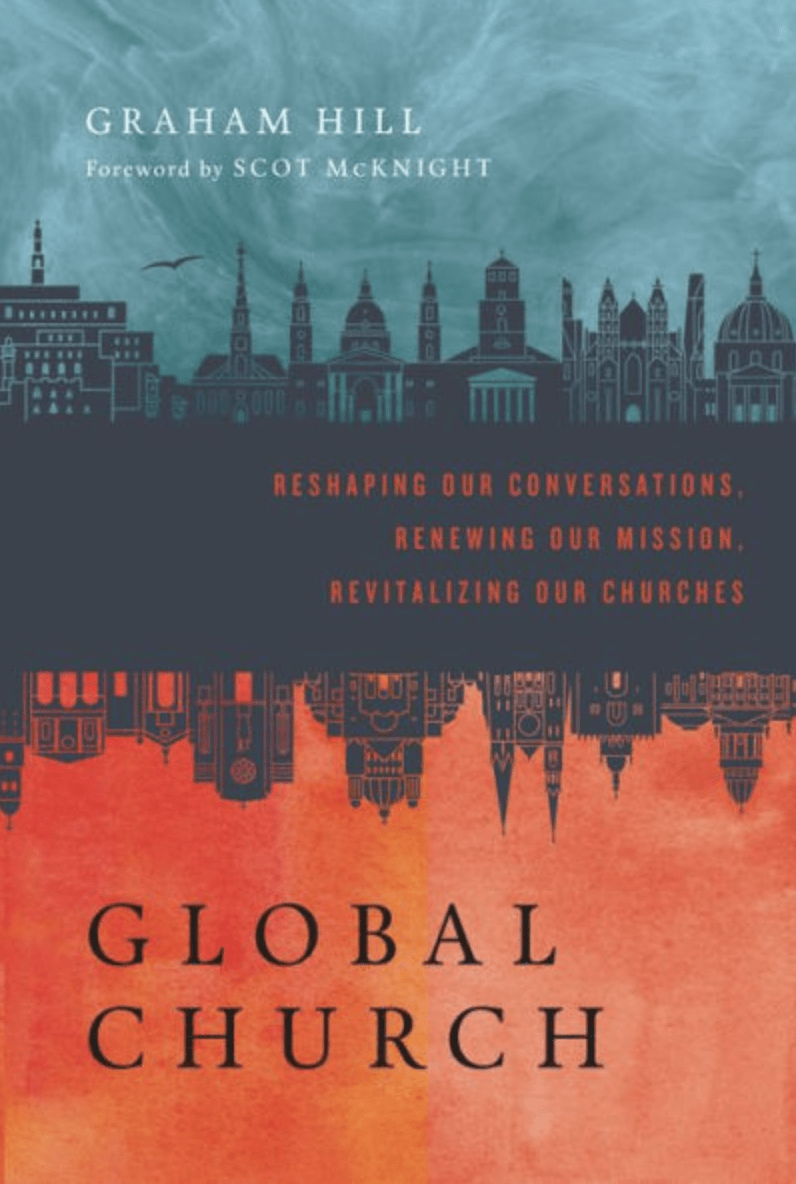
I’ve spent over twenty years in theological education and have written more than thirty books, including Salt, Light, and a City (Jesus Creed’s 2012 Book of the Year), Healing Our Broken Humanity (Outreach Magazine’s 2019 Resource of the Year), and World Christianity (shortlisted for the 2025 Australian Christian Book of the Year). In 2024, I received the Medal of the Order of Australia (OAM) for my service to theological education. But this book is the one I’ve felt most compelled to write in recent years. The stakes for the witness of the global church feel too high to stay silent.
The Question at the Heart of the Book
Kingdom or Empire? turns on a single, searching question: Where does our ultimate allegiance lie?
Jesus said plainly, “My kingdom isn’t of this world.” The early Christians staked their lives on the subversive confession that Jesus is Lord, which, in their day, meant that Caesar was not. When they refused to burn incense to the emperor, they weren’t making a political statement in the shallow sense we use that phrase today. They were declaring that the God revealed in the crucified and risen Jesus sits above every throne, every flag, every constitution, and every ideology human beings construct.
The book traces what happens when the church forgets this. When the cross gets wrapped in a flag, the gospel becomes a tool for tribal identity, and discipleship shrinks to culture-war loyalty. The result is a Christianity shaped by fear of the outsider, by the defense of national privilege, and by the logic of Caesar. Its loyalties end up far from the Sermon on the Mount.
I argue throughout the book that the kingdom Jesus proclaimed is a reality altogether different. It’s a reign of justice, peace, mercy, humility, righteousness, and self-giving love. It gathers people from every tribe, tongue, and nation into a new community whose reach crosses every border. It refuses the sword. It lifts up the lowly. It welcomes the outsider. And it calls every empire, including the ones we love, to account.
A Book in Eight Chapters
Kingdom or Empire? unfolds across eight chapters, framed by an introduction (”When the Cross Is Captured”) and a conclusion (”A Dangerous Hope”).
Chapter one sets out Jesus’s vision of the kingdom as a radical alternative to empire, showing how his teachings on power, humility, and the poor subvert every imperial logic. Chapter two confronts Christian nationalism directly, tracing its history and exposing the theological distortions at its core. Chapter three examines populism and asks what the “people of God” means in an age that weaponizes the language of “the people” for political gain.
Chapters four and five turn to two of the most sobering historical case studies the twentieth century offers: the German church under Hitler, and the South African church under apartheid. In both settings, large parts of the Christian community baptized injustice in the name of Christ. And in both settings, faithful witnesses (the Confessing Church, Bonhoeffer, the signatories of the Barmen Declaration, Allan Boesak, Desmond Tutu, the Kairos Document) stood against the tide at enormous personal cost. Their courage offers us a model for our own moment.
Chapter six explores what it means to be a kingdom citizen in public life, drawing on wisdom from Augustine, Aquinas, Anabaptist thinkers, Catholic social teaching, and voices from the global South. Chapter seven examines the entanglement of the cross and the flag across multiple national contexts, including Australia, Russia, the United States, Hungary, India, and Brazil. Chapter eight returns to the early church’s foundational confession, Jesus is Lord, and unpacks what that confession costs us today.
The conclusion holds out what I call “a dangerous hope”: the confidence that God’s kingdom is breaking into the world through communities of mercy, justice, and reconciliation, even as the empires of our age crumble around us.
A Ten-Part Structure in Every Chapter
One of the features I’m most proud of is the integrated structure I’ve used in every chapter. Each one follows a deliberate ten-part pattern designed to move readers from theological reflection into courageous action.
Every chapter contains two theological ideas, two historical case studies, two ethical and pastoral implications, one individual spiritual practice, one communal spiritual practice, and two tools for cultural and political discernment.
I chose this pattern because faithful Christian living refuses to separate theology from history, ethics from spirituality, or private devotion from public witness. These things belong together. The structure ensures that every chapter moves from clarity to conviction and from conviction to concrete, embodied practice.
A Global, Non-Partisan, Christ-Centered Approach
I grew up in a right-wing, conservative Christian setting and studied in a left-wing, progressive academic environment. I’ve seen the excesses of both worlds from the inside. That formation shapes every page of this book.
Kingdom or Empire? refuses to line up with any political tribe. It speaks to right-leaning Christians who’ve allowed nationalism, flag, and cultural dominance to eclipse their loyalty to Christ. And it speaks to left-leaning Christians who’ve allowed progressive accommodation to dilute the radical claims of the gospel. Both distortions replace Jesus as Lord with something else: nation, ideology, culture, or partisan identity. Both need repentance.
The book takes a deliberately global view. While Christian nationalism in the United States gets significant attention, I examine how similar fusions of faith and political power appear in Australia (where Christian nationalism underwrote the colonization of these lands and the dispossession of First Peoples), in Russia (where the Orthodox Church has blessed Putin’s invasion of Ukraine), in Hungary and Poland (where leaders use Christian identity to justify exclusion), in India, in Brazil, and in many other places. I also draw on the remarkable witness of persecuted Christians in China, peacemakers in South Sudan and Rwanda, and the Latin American church’s long engagement with liberation theology.
The gospel is global. Our witness must be, too.
Theology, History, and Spiritual Practice
This book is unashamedly, deeply Christian. It’s rooted in Scripture, grounded in historic theology, and shaped by the conviction that Jesus Christ is Lord of every sphere of life, including the political.
I engage with a wide range of voices throughout the book: the early church fathers and mothers, Augustine, the Anabaptist tradition, John Howard Yoder, Stanley Hauerwas, Dietrich Bonhoeffer, Karl Barth, Dorothy Day, Martin Luther King Jr., Desmond Tutu, Allan Boesak, N.T. Wright, Gregory Boyd, Walter Brueggemann, Anne Pattel-Gray, Garry Deverell, and many others. I’ve tried to let the wisdom of the global church speak into our moment, drawing from Black, Indigenous, Latin American, African, Asian, and Western traditions alike.
The book also takes spiritual formation seriously. Each chapter offers practical disciplines (personal and communal) for living as kingdom citizens in an age of political idolatry. These include practices of lament, examen, hospitality, peacemaking, solidarity with the marginalized, discernment of spirits, Sabbath resistance to the empire’s restless pace, and prayerful engagement with Scripture. Theology without practice collapses into abstraction. Practice without theology drifts into sentimentality. This book holds them together.
Written from Within Real Life
I want to be honest: I haven’t written this book from above the fray. I’ve wrestled with these questions in my own heart, in my own church, in my own country. I’ve watched friends and colleagues drift into Christian nationalism and lose the gospel in the process. I’ve watched others drift into ideological accommodation and lose the gospel in the opposite direction. I’ve felt the pull of both currents in myself.
I write as someone who loves Australia and loves the global church, and who refuses to confuse the two. I write as a Christian who’s convinced that the most urgent task of the church in our generation is to recover a robust, Christ-centered, cross-shaped, kingdom-oriented witness that can speak truth to every political power without being captured by any of them.
My hope is that the book reads like a wise friend sitting across the table, helping you think through something that matters deeply and personally.
Built for Reflection and Conversation
The book includes a substantial appendix of reflection questions for individuals and groups, organized chapter by chapter. I’ve designed these questions to work in a variety of settings: personal devotion, small groups, church classes, pastoral training, seminary courses, political book clubs, and interfaith dialogues. They move from personal reflection toward theological conviction and practical action.
The book is written for thoughtful Christians across the theological spectrum who sense that something has gone badly wrong in the entanglement of faith and politics, and who want resources for thinking and living faithfully in this moment. It’s also written for pastors, ministry leaders, teachers, students, and anyone responsible for forming Christian communities in an age of political idolatry.
Who Should Read This Book
Kingdom or Empire? is written for anyone who senses that the cross has been captured and who longs to see it freed. Pastors will find a theological framework they can bring to their congregations. Ministry leaders will find practical wisdom for forming communities of faithful witness. Christians on the right will find an honest engagement with the seductions of nationalism and populism. Christians on the left will find the same honest engagement applied with equal rigor to the seductions of ideological accommodation. Students and educators will find historical case studies and theological resources for the classroom. And any Christian who has watched the events of recent years with a growing sense of spiritual unease will find a companion for the work of discernment.
If you love Jesus and feel uncertain about how to navigate an age of political idolatry, this book is for you.
An Invitation
The early Christians lived under the shadow of the greatest empire the ancient world had known. They had every reason to be afraid. And yet, in whispered prayers and shared meals and costly witness, they bore testimony to a kingdom that no Caesar could touch. They loved their enemies. They welcomed the stranger. They fed the poor. They cared for abandoned infants. They sang hymns to the crucified Lord when everyone around them sang hymns to the emperor. And in doing so, they planted seeds that outlived Rome itself.
We stand at a similar moment. The empires of our age are loud and proud. They demand our allegiance, our anxiety, our outrage, and our fear. They wrap themselves in crosses, flags, and scripture verses, and they ask us to bow. Many Christians have. Many more are tempted to.
But there’s another way. It’s the way of the crucified Jesus, the way of the cross before the crown, the way of the kingdom that comes without coercion. It’s narrow. It’s costly. And it’s full of a fierce, unbending hope.
Jesus is Lord. That confession shook Rome. It can still shake our age too, if we have the courage to mean it.
The invitation stands. To discipleship. To the kingdom’s cruciform victory. To the cross of Christ above every flag. To the lordship of Jesus above every Caesar.
Kingdom or Empire? Following Jesus in an Age of Nationalism, Populism, and Political Idolatry is available now.
Amazon Australia link: https://amzn.asia/d/0itsI4kk
Amazon US link: https://a.co/d/04CTychB